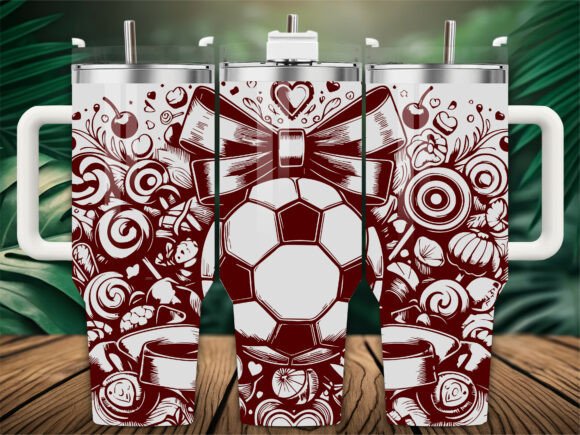
Candy Football: A Designer's Review for Real Projects
As a designer who has spent years navigating the fine line between digital art and physical stitching, I approach every new machine embroidery design with a critical eye. When I first encountered the Candy Football graphic, my immediate reaction was to set aside the marketing buzzwords and ask a simple question: how does this actually translate to fabric? In the world of Crafts and digital Graphics, a file that looks stunning on a screen can sometimes struggle under the tension of a hoop. This review breaks down my practical assessment of using Candy Football in real-world scenarios, from boutique apparel to personalized gifts.
First Impressions: Visual Personality and Layout
The Candy Football design immediately stands out for its playful energy. The concept merges the structured geometry of a football with the whimsical, high-saturation aesthetic of candy. Visually, it creates a mood that is both sporty and celebratory. For an embroidery project, this duality is interesting. The layout suggests bold outlines and distinct sections, which are generally favorable for digitization. However, the "candy" aspect implies potential gradients or complex textures that need careful handling during the stitch-out process.
When evaluating a design like this, I look at the balance between negative space and filled areas. The shape of the football provides a strong anchor, but the decorative elements surrounding it determine whether the final piece will look professional or cluttered. If the stitch density is too high in the candy details, the fabric might pucker, especially on softer materials. Conversely, if the density is too low, the vibrant colors may appear muddy. My initial assessment is that this design thrives where clarity is key, making it a strong candidate for items that benefit from a crisp, defined look rather than subtle shading.
Real-World Application: From Hoop to Finished Product
Let's move beyond the screen and imagine a specific scenario. Picture yourself preparing a custom order for a small shop product: a premium canvas tote bag intended for a youth sports fundraiser. You want something that pops against the natural beige of the canvas. Here, the Candy Football design shines. The bold lines would stand out beautifully, and the playful theme aligns perfectly with the target audience. Using a tote bag design strategy, you could place the graphic centrally, ensuring the hoop size accommodates the full width without stretching the fabric excessively.
Consider another use case: sweatshirt embroidery. Fleece and cotton blends are forgiving, but they have texture. If you were creating a limited-run hoodie for a team or a holiday gift, the rounded edges of the football would work well against the soft pile of the fabric. However, you must be mindful of the thread colors. On a dark grey sweatshirt, you would need high-contrast threads to ensure the "candy" elements remain visible. This is where testing becomes non-negotiable. A quick run on scrap fabric can save you from ruining a expensive garment.
For those focusing on baby embroidery, the design offers a fun, gender-neutral option for onesies or bibs. The playful nature of Candy Football fits the nursery decor trend perfectly. Yet, safety and comfort are paramount here. You must ensure there are no loose threads or overly dense fill stitch areas that could irritate sensitive skin. A light stabilizer and a lower stitch count might be necessary to maintain the softness of the baby item while keeping the design intact.
Navigating Challenges: Where Caution is Required
While Candy Football is versatile, it is not a universal solution. There are specific situations where this design requires extra caution. First, consider small hoop sizes. If you attempt to fit this entire wrap-style concept into a 4x4 inch hoop, the details will likely suffer. The intricate parts of the candy pattern could become indistinguishable blobs. Always check the dimensions before committing to a small area application.
Texture is another factor. On highly textured fabrics like terry cloth or heavy denim, the fine details of the design might get lost. The fabric texture can interfere with the needle placement, leading to skipped stitches or uneven coverage. Similarly, stretchy fabrics pose a risk. Without the proper stabilizer, the hoop tension combined with the fabric's elasticity can distort the football shape, making it look lopsided in the finished product.
Dark fabrics present their own challenge. While the design is colorful, achieving true vibrancy on black or navy backgrounds often requires a backing layer of thread or a different digitizing approach. If the original digital embroidery file does not include a fill layer for darks, you may need to adjust the settings manually. Additionally, products that require frequent washing, such as kitchen towels or aprons, need robust stitching. Ensure the running stitch and satin borders are secure enough to withstand agitation without fraying over time.
Enhancing Value and Professionalism
Using a well-chosen design like Candy Football directly impacts your brand perception. For an Etsy seller or a creative entrepreneur, the quality of the embroidery signals the quality of the entire business. A clean, sharp stitch-out elevates a simple t-shirt into a premium handmade product. Customers notice the difference between a design that looks pixelated and one that flows naturally with the fabric grain.
This design also enhances giftability. Whether it's a holiday embroidery project for a sports fan or a personalized gift for a graduation, the visual appeal of Candy Football adds a touch of thoughtfulness. It shows that you considered the recipient's interests. Furthermore, consistency is key for commercial embroidery. If you are producing a batch of merchandise for a local team or event, ensuring every piece matches in color and alignment builds trust and professionalism.
Practical Notes for the Embroidery Designer
Before you start stitching, take these practical steps to ensure success with the Candy Football design:
- Test on Scrap Fabric: Never skip this step. Run a test on the exact fabric you plan to use to check for puckering and thread tension.
- Check Thread Contrast: Verify that your chosen thread colors pop against the background material. What looks good on a monitor might fade on fabric.
- Review Stitch Density: Inspect the file to see if the density is appropriate for your specific machine and fabric type. Adjust if necessary to prevent stiffness.
- Confirm Hoop Size: Ensure your hoop can accommodate the design without forcing the fabric, which leads to distortion.
- Inspect Small Details: Look closely at the finer points of the candy patterns. They may need manual adjustment if they are too small for your machine's capabilities.
- Use Proper Stabilizer: Select a stabilizer that matches the weight and stretch of your fabric to support the design during stitching.
- Verify Licensing: Before selling finished items or digital files, confirm the licensing terms. Ensure you have the right to use the design for commercial embroidery projects.
In conclusion, Candy Football is a vibrant, energetic design that holds significant potential for custom apparel and personalized gifts. Its success lies in the hands of the designer who understands how to adapt it to different materials and contexts. By respecting the limitations of the medium and applying sound technical judgment, you can transform this digital asset into a tangible, high-quality product that delights customers and strengthens your craft business.